- Teacher: Admin User
wambui1.gnomio.com
-
Welcome to your new Gnomio site
Now, you are in control!
Moodle is an open-source Learning Management System (LMS) that provides educators with the tools and features to create and manage online courses. It allows educators to organize course materials, create quizzes and assignments, host discussion forums, and track student progress. Moodle is highly flexible and can be customized to meet the specific needs of different institutions and learning environments.
Moodle supports both synchronous and asynchronous learning environments, enabling educators to host live webinars, video conferences, and chat sessions, as well as providing a variety of tools that support self-paced learning, including videos, interactive quizzes, and discussion forums. The platform also integrates with other tools and systems, such as Google Apps and plagiarism detection software, to provide a seamless learning experience.
Moodle is widely used in educational institutions, including universities, K-12 schools, and corporate training programs. It is well-suited to online and blended learning environments and distance education programs. Additionally, Moodle's accessibility features make it a popular choice for learners with disabilities, ensuring that courses are inclusive and accessible to all learners.
The Moodle community is an active group of users, developers, and educators who contribute to the platform's development and improvement. The community provides support, resources, and documentation for users, as well as a forum for sharing ideas and best practices. Moodle releases regular updates and improvements, ensuring that the platform remains up-to-date with the latest technologies and best practices.
Links of interest:
(You can edit or remove this text)
Available courses
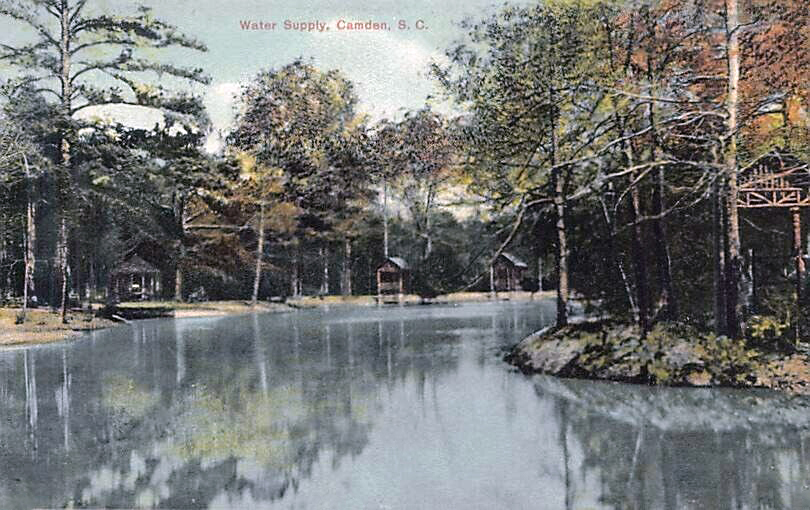
Rainwater harvesting is the process of collecting, storing, and using rainwater for various purposes, including domestic, agricultural, industrial, and environmental needs. The course provides an understanding of the water cycle, techniques of rainwater collection, storage methods, and sustainable water management practices.
The course also emphasizes the importance of rainwater harvesting in conserving water resources, reducing water scarcity, and supporting ecosystems.
Key Learning Objectives
-
Understand the water cycle and the role of rain in replenishing water bodies.
-
Learn the methods and techniques of rainwater harvesting for homes, communities, and industries.
-
Identify the types of storage systems and their applications.
-
Understand the benefits of rainwater harvesting for water conservation, agriculture, and environmental protection.
-
Explore practical examples, case studies, and challenges in implementing rainwater harvesting systems.
Core Topics Covered
-
Introduction to Rainwater Harvesting
-
Definition, history, and significance.
-
Role in sustainable water management.
-
-
The Water Cycle
-
Evaporation, condensation, precipitation, and collection.
-
How understanding the water cycle informs harvesting strategies.
-
-
Collection Methods
-
Rooftop harvesting: Using roofs, gutters, and pipes.
-
Surface runoff harvesting: Capturing water from streets, yards, and open areas.
-
Community and large-scale systems: Reservoirs, ponds, and recharge pits.
-
-
Storage Systems
-
Cisterns, tanks, ponds, and underground storage.
-
Design considerations: capacity, contamination prevention, and maintenance.
-
-
Applications and Benefits
-
Domestic use: drinking, cleaning, and sanitation.
-
Agriculture: irrigation and livestock water supply.
-
Urban management: reducing flooding and groundwater recharge.
-
Environmental benefits: supporting ecosystems and conserving water.
-
-
Techniques for Improving Efficiency
-
First-flush systems to prevent contamination.
-
Filtration, recharge wells, and rain gardens.
-
Vegetation cover to reduce runoff and soil erosion.
-
-
Challenges and Solutions
-
Irregular rainfall, storage limitations, and contamination risks.
-
Costs and maintenance requirements.
-
Solutions: proper design, filtration, and community participation.
-
-
Case Studies and Global Practices
-
Urban and rural examples from India, Singapore, Australia, and the Middle East.
-
Lessons from traditional and modern rainwater harvesting methods.
-
Course Outcomes
After completing the course, learners will be able to:
-
Design and implement rainwater harvesting systems for domestic, agricultural, and industrial purposes.
-
Assess storage needs and harvesting potential based on rainfall and catchment area.
-
Apply water conservation strategies to reduce dependence on groundwater and surface water.
-
Promote sustainable water management practices in communities.
- Teacher: Admin User
uguhtdcbnbn
- Teacher: Admin User